


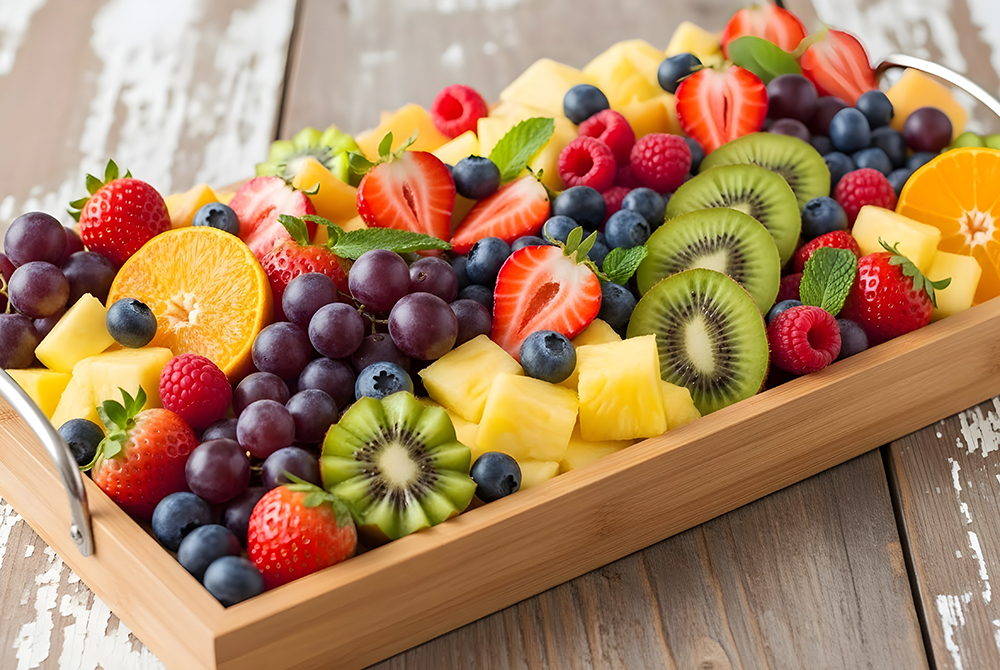
Why Fruit Matters on a Charcuterie Board
A truly exceptional charcuterie board is built on contrast, balance, and thoughtful layering of flavors. While cured meats and cheeses often take center stage, fruit plays a far more important role than many people realize. The right fruits brighten rich flavors, cut through saltiness, introduce refreshing textures, and add natural sweetness that elevates the entire experience. Beyond flavor, fruit also contributes visual elegance, bringing vibrant color and organic shape that make a board feel abundant and inviting. As an experienced charcuterie chef understands, the goal is not simply to fill empty space on a platter—it is to create harmony between every element. Choosing the correct fruits can transform a good board into a sophisticated, memorable spread that feels carefully curated from the very first glance to the final bite.
Grapes: The Classic Charcuterie Essential
Few fruits belong on a charcuterie board more naturally than grapes. Their juicy texture and subtle sweetness pair beautifully with salty meats and creamy cheeses. Red grapes tend to offer deeper sweetness, while green varieties provide brighter acidity and freshness. Keeping them attached to small stems creates a more rustic, abundant appearance that enhances presentation. Grapes also act as a palate cleanser between richer bites, making them both functional and visually appealing.
Figs: Rich, Jammy, and Luxurious
Fresh figs bring a level of sophistication that instantly elevates a board. Their soft texture and honey-like sweetness pair exceptionally well with bold cheeses such as blue cheese, brie, or aged gouda. When sliced open, figs reveal a beautiful interior that adds visual complexity to the spread. Their earthy sweetness also complements salty cured meats like prosciutto and salami. In cooler seasons, dried figs offer a similarly rich flavor with a slightly chewier texture.
Berries: Brightness and Color Contrast
Strawberries, blackberries, raspberries, and blueberries introduce freshness and vibrant color that help lighten heavier ingredients. Their natural acidity balances fatty cheeses and rich meats without overpowering them. Berries also create beautiful visual contrast against wooden boards, pale cheeses, and dark cured meats. Because they are bite-sized and easy to grab, they contribute to a more relaxed grazing experience. Carefully scattered berries can make a board feel lively and naturally elegant.
Apples and Pears: Crisp and Refreshing
Apples and pears provide a clean, crisp texture that contrasts beautifully with softer cheeses and cured meats. Thinly sliced pears pair particularly well with creamy brie or goat cheese, while tart apples complement aged cheddar and smoked meats. Their mild sweetness keeps the board balanced without becoming overly sugary. To preserve freshness and appearance, slices can be lightly brushed with lemon juice before serving. These fruits bring both structure and refinement to a charcuterie arrangement.
Citrus Fruits: Unexpected but Effective
Citrus is often overlooked on charcuterie boards, yet it can provide incredible brightness when used thoughtfully. Thin slices of blood orange, mandarin segments, or small wedges of grapefruit add refreshing acidity that cuts through rich flavors. Citrus pairs especially well with seafood charcuterie, mild cheeses, and herb-forward accompaniments. Visually, the vivid color creates dramatic contrast that draws attention across the board. Used sparingly, citrus can introduce complexity without overwhelming the palate.
Stone Fruits: Seasonal Elegance
Peaches, plums, apricots, and cherries bring soft sweetness and luxurious texture during warmer months. Their juicy character works wonderfully alongside salty meats and creamy cheeses, creating the classic sweet-and-savory balance charcuterie is known for. Sliced peaches paired with burrata or prosciutto create particularly elegant combinations. Cherries add rich color and subtle tartness that complement aged cheeses beautifully. Seasonal stone fruits make a board feel fresh, refined, and thoughtfully assembled.
Dried Fruits: Concentrated Flavor and Texture
Dried apricots, dates, cranberries, and figs offer intense sweetness and chewy texture that contrast beautifully with crunchy crackers and firm cheeses. Dates stuffed with goat cheese or wrapped in cured meats create luxurious bite-sized combinations. Dried fruits also help fill visual gaps on a board while adding warmth and richness to the presentation. Because their flavors are more concentrated, they should be balanced carefully alongside fresher, lighter ingredients. When used correctly, dried fruits add depth and complexity that fresh fruit alone cannot provide.
Building a Balanced Fruit Selection
The best charcuterie boards rarely rely on just one type of fruit. Instead, they combine different textures, colors, sweetness levels, and acidity to create a layered experience. A balanced board may include juicy grapes, crisp apples, vibrant berries, and rich dried fruits all working together harmoniously. Variety keeps guests engaged, encouraging them to experiment with pairings and discover new combinations. Ultimately, fruit is not merely decoration—it is one of the essential elements that defines a truly exceptional charcuterie board.


 ';
';


