


Building the Perfect White Wine Charcuterie Experience
Creating a charcuterie board to pair with white wine is all about balance, brightness, and contrast. Unlike heavier red wines, white wines tend to be crisp, refreshing, and often carry notes of citrus, stone fruit, or delicate florals. This means the ingredients you choose should enhance those qualities rather than overpower them. From creamy cheeses to fresh fruits, every element on the board plays a role in shaping the overall tasting experience. A thoughtfully curated spread can highlight the subtle nuances of your wine while offering a variety of textures and flavors that keep each bite interesting. By focusing on light, vibrant ingredients, you can create a charcuterie board that feels elegant, seasonal, and perfectly suited for relaxed gatherings or sophisticated entertaining.
Choosing Soft and Creamy Cheeses for White Wine
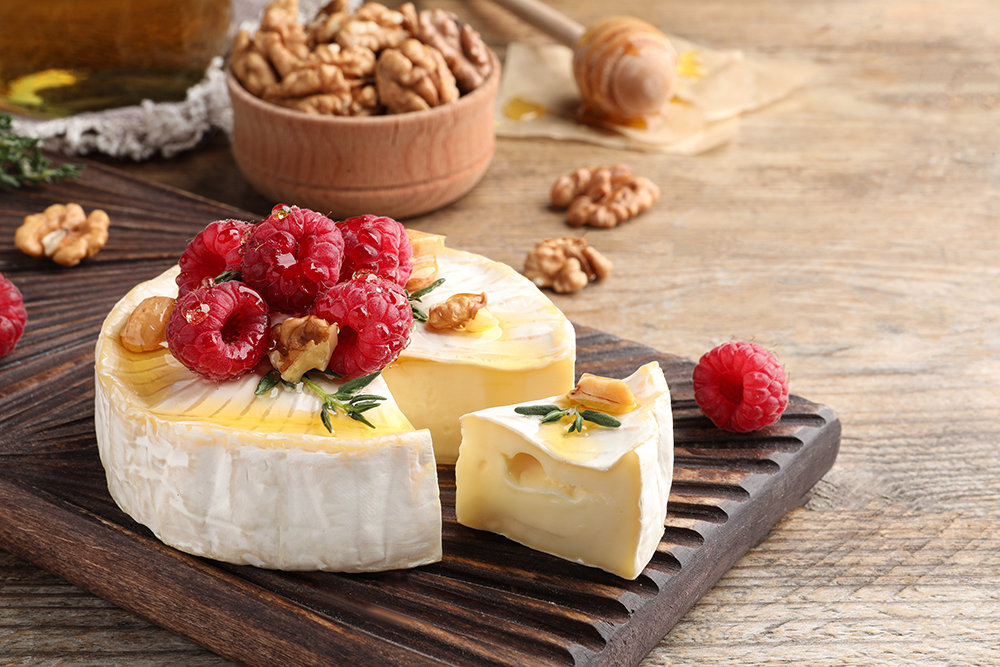
Soft, creamy cheeses are a natural match for white wine. Brie, camembert, and fresh mozzarella bring a smooth richness that pairs beautifully with crisp acidity. These cheeses mellow out sharper notes in the wine while allowing its fruity and floral characteristics to shine. Mild goat cheese adds a tangy contrast that works especially well with citrus-forward varieties. Including a mix of textures—spreadable, soft-ripened, and slightly firm—keeps the board dynamic and satisfying.
Adding Fresh Fruits and Berries for Brightness
Fresh fruits and berries bring a burst of natural sweetness and acidity that complements white wine perfectly. Grapes, strawberries, blueberries, and sliced pears enhance the wine’s fruity notes while adding color and visual appeal. Citrus segments or apple slices can introduce a crisp, refreshing bite that mirrors the wine’s acidity. These lighter elements prevent the board from feeling too rich and create a clean, balanced tasting experience.
Selecting Light Meats and Delicate Proteins
While charcuterie often features bold cured meats, lighter options work best with white wine. Thinly sliced turkey, chicken, or mild prosciutto offer subtle savory flavors without overwhelming the palate. Smoked salmon or other delicate seafood can also pair beautifully, adding a silky texture and gentle saltiness. The goal is to complement the wine’s elegance rather than compete with it.
Including Crisp Crackers and Fresh Breads
The foundation of any charcuterie board lies in its base elements. Light, neutral crackers and slices of fresh baguette or crostini provide structure without distracting from the main flavors. Seeded crackers can add a subtle nuttiness, while avoiding overly strong or heavily seasoned options helps maintain balance. These components act as the perfect canvas for layering cheeses, fruits, and meats.
Enhancing Flavor with Light Accompaniments
Accompaniments bring everything together. Honey, fruit preserves, and mild chutneys add a touch of sweetness that pairs beautifully with both cheese and wine. Nuts such as almonds or cashews provide a gentle crunch without overpowering the board. Olives and lightly pickled vegetables can introduce a hint of brine, adding contrast while still keeping the overall flavor profile bright and approachable.
Creating a Balanced White Wine Pairing Board
A successful white wine charcuterie board is all about harmony. By combining creamy cheeses, fresh fruits, delicate proteins, and light accompaniments, you create a spread that enhances every sip. Thoughtful arrangement and a focus on fresh, vibrant ingredients ensure the board feels inviting and cohesive. From brie to berries, each element contributes to a refined yet effortless pairing experience that celebrates the refreshing character of white wine.


 ';
';


