


Understanding Charcuterie Portion Planning
One of the most common challenges when preparing a charcuterie board is figuring out exactly how much food to serve per person. Too little leaves guests hungry and disappointed, while too much can lead to unnecessary waste and overspending. A well-balanced charcuterie spread is not simply about abundance—it is about thoughtful portioning, variety, and creating a satisfying experience for everyone gathered around the table. The amount of food needed depends heavily on the occasion, the number of accompanying dishes, the duration of the event, and whether the charcuterie board is serving as a light appetizer or the main attraction. Experienced hosts understand that successful portion planning combines practicality with presentation, ensuring the board feels generous without becoming overwhelming. By learning a few simple guidelines, you can confidently build charcuterie boards that look impressive while providing the perfect amount of food for your guests.
Estimating Portions for Appetizers
When charcuterie is being served as an appetizer before a larger meal, smaller portions are usually sufficient. In most cases, plan for approximately 2 to 3 ounces of meat and cheese combined per person. Guests will typically sample a variety of items rather than relying on the board as their primary source of food. A lighter appetizer board should still include enough crackers, fruits, nuts, and accompaniments to create balance and visual fullness. Even smaller portions can feel luxurious when arranged thoughtfully.
Planning for a Main Course Charcuterie Spread
If the charcuterie board is intended to function as the main meal, portion sizes should increase considerably. A good rule is to serve roughly 5 to 7 ounces of food per person, including meats, cheeses, breads, fruits, and accompaniments. Guests tend to eat more when grazing casually over an extended period, especially during social gatherings. Offering a wider variety of ingredients also encourages continued snacking. In these situations, abundance becomes part of the overall experience.
Balancing Meats, Cheeses, and Accompaniments
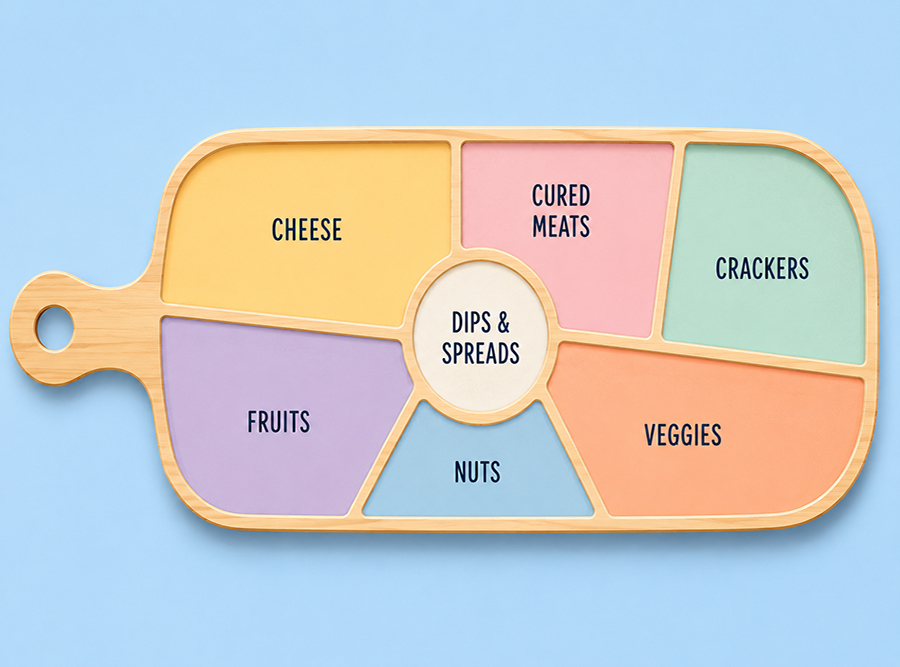
A successful board relies on proportion rather than simply piling on meats and cheeses. A balanced serving per person often includes:
- 2 to 3 types of cheese
- 2 to 3 types of cured meat
- crackers or bread
- fresh fruit
- nuts or olives
- spreads or jams
The accompaniments help stretch the board naturally while creating contrast in texture and flavor. They also prevent richer ingredients from feeling too heavy. Variety often matters more than sheer quantity.
Adjusting Portions for Different Gatherings
The type of event plays a major role in determining how much food to prepare. Guests at cocktail parties or wine nights may graze steadily for hours, requiring larger quantities overall. Family gatherings or holiday dinners may require smaller portions if several other dishes are being served. Outdoor events and longer celebrations typically encourage more snacking as well. Understanding the context helps prevent underestimating your guests' appetites.
Considering Guest Preferences and Dietary Needs
Every crowd is different, and portion planning should reflect the preferences of your guests. Some groups may gravitate heavily toward cheeses, while others focus more on meats, fruits, or vegetarian options. Including a range of ingredients ensures everyone feels accommodated. If you know certain items are particularly popular, preparing extra portions of those ingredients is always wise. Flexibility is often the key to a successful charcuterie spread.
Avoiding Waste While Maintaining Abundance
A beautiful charcuterie board should feel plentiful, but that does not mean every inch must be overloaded with expensive ingredients. Strategic placement, layering, and the use of fresh garnishes can create the appearance of abundance without excessive food costs. Refillable boards also work well for larger gatherings, allowing you to replenish items gradually as needed. This keeps ingredients fresher while reducing unnecessary waste at the end of the event.
Serving the Perfect Amount Every Time
Mastering charcuterie portion planning becomes easier with experience and observation. By considering the occasion, guest count, event length, and overall menu, you can build boards that feel generous, balanced, and visually impressive. The goal is not simply to provide food, but to create a relaxed and enjoyable grazing experience that encourages conversation and discovery. With thoughtful planning, you can confidently serve the perfect amount every time.


 ';
';


