


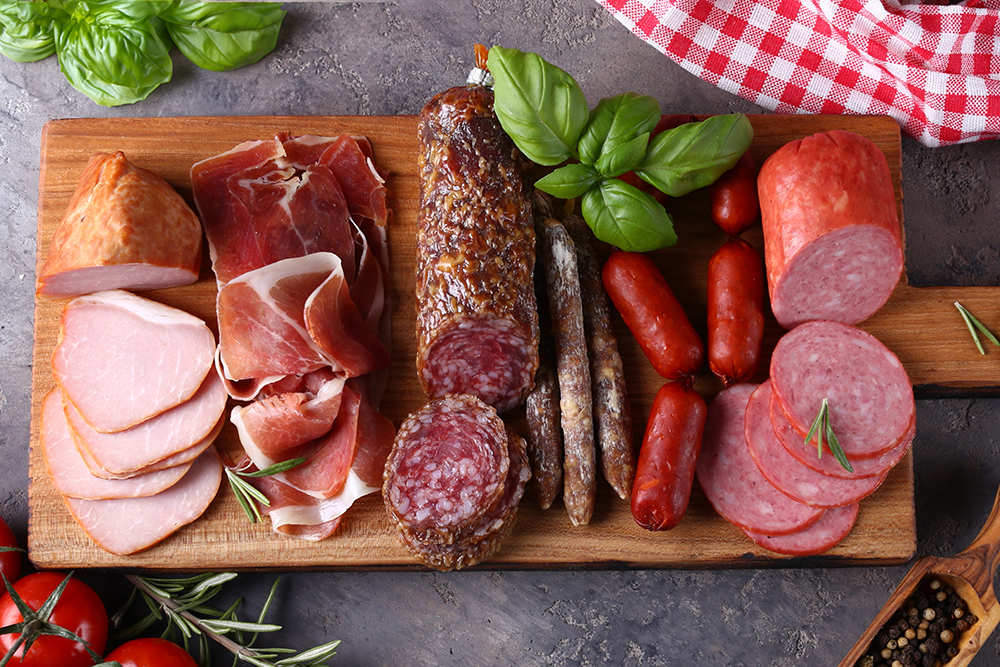
Why Global Sourcing Changes Everything
As someone experienced in sourcing deli meats internationally, I can confidently say that where your meat comes from matters just as much as how it is served. Global sourcing opens the door to authentic flavors, regional specialties, and production techniques that simply cannot always be replicated domestically. However, importing or purchasing internationally is not automatically cheaper—in many cases, you are paying for heritage breeds, lengthy curing processes, transportation, import regulations, and specialty distribution networks. The challenge is finding the balance between authenticity, quality, and cost. For charcuterie enthusiasts and serious hosts, understanding how local pricing compares to international sourcing can help you decide when it makes sense to splurge, when to substitute, and when to buy strategically. The world’s deli counters offer incredible variety, but smart sourcing means understanding both flavor and economics.
Understanding the Price Gap Between Local and Imported Meats
One of the first surprises for many buyers is how dramatic price differences can be. Local supermarket deli meats are often mass-produced, mechanically sliced, and distributed at scale, keeping prices relatively low. Imported specialty meats, by contrast, frequently involve longer aging periods, smaller producers, and international logistics costs. A budget-friendly local salami may cost around $2–5 per 100 grams at many Canadian grocery chains, while imported premium products can easily cost several times more.
Italian Deli Meats: Reliable and Widely Available
Italian meats remain among the easiest imported options to source internationally. Prosciutto, mortadella, soppressata, and Genoa salami are available locally in many grocery stores and specialty markets, often reducing the need for direct importing. Local deli counters often provide good value compared to individually packaged imports. Imported Italian meats typically command premium pricing due to protected regional designations and aging requirements. The advantage is accessibility—you can often enjoy authentic products without paying extreme shipping costs.
Spanish Jamón: The Luxury Category
Few deli meats demonstrate international price differences more dramatically than Spanish jamón. Premium sliced jamón ibérico products commonly range from roughly €8–18 per 100 grams from specialty sellers, while high-end bellota varieties can cost considerably more. Whole premium legs may cost hundreds of euros before shipping or import costs are added. ([Va d'Ibèrics][1])
For comparison, locally sourced premium deli meats or prosciutto alternatives frequently cost substantially less at grocery deli counters. The difference reflects years of aging, breed-specific production, and international demand rather than simply higher markups.
Comparing Local vs Global Pricing
| Product Type | Local Price | International/Specialty Pricing | Notes |
|---|---|---|---|
| Standard salami | ~$2–5 /100g | ~$4–10+ /100g | Local usually wins on value |
| Prosciutto | ~$3–5 /100g | ~$5–12+ /100g | Imports offer stronger authenticity |
| Jamón ibérico | Limited availability | €8–18+ /100g | Premium luxury category |
| Specialty cured meats | Moderate | High shipping costs | Often best bought through importers |
Pricing varies heavily by region, importer, and shipping method, but imported meats almost always carry logistics premiums. ([Va d'Ibèrics][1])
When Buying Local Makes More Sense
Many consumers assume imported automatically means better, but local purchasing has advantages. Specialty butcher shops and Italian grocers often import wholesale and slice to order, reducing packaging costs while maintaining authenticity. Local sourcing also allows you to buy smaller amounts, inspect freshness, and avoid expensive shipping fees. In many cases, buying from a specialty deli provides nearly the same experience as importing directly—without customs delays or refrigeration concerns.
When International Sourcing Is Worth the Extra Cost
Global sourcing shines when you want products that simply are not available locally. Regional specialties, protected-origin meats, or rare producers often justify the added expense for enthusiasts and serious entertainers. Imported meats also create unique charcuterie experiences that guests may never have tried before. When authenticity is central to the experience, international sourcing becomes less about price and more about access.
Building a Smarter Charcuterie Supply Strategy
The best importers rarely source everything internationally. Instead, they combine premium imported showcase meats with strong local staples to create balance. Pairing locally sourced salami with imported jamón or specialty cured products delivers both authenticity and affordability. A smart sourcing strategy is not about buying the most expensive meat available—it is about knowing where your money creates the biggest impact on flavor, presentation, and experience.
Finding and Connecting With Local Importers in the Modern Market
Today's consumers have more access to specialty food networks than ever before, making it easier to source authentic deli meats without importing products personally. Local importers often work behind the scenes supplying specialty grocers, butcher shops, restaurants, and gourmet food retailers, meaning a conversation with your neighborhood deli counter can open unexpected doors. Social media platforms, food-focused online communities, and local marketplace groups have also become valuable tools for discovering smaller importers who may not invest heavily in traditional advertising. Farmers’ markets and food expos frequently attract distributors looking to connect directly with enthusiasts and small buyers as well. Building relationships with importers can lead to access to limited products, advance ordering opportunities, and better pricing on specialty items, turning casual charcuterie enthusiasts into well-connected buyers with access to a much wider world of cured meats.
[1]: https://www.vadiberics.com/es/producte/jamon-100-iberico-de-bellota-100g "Jamón 100% ibérico de bellota (100g) - Va d'Ibèrics"


 ';
';


