


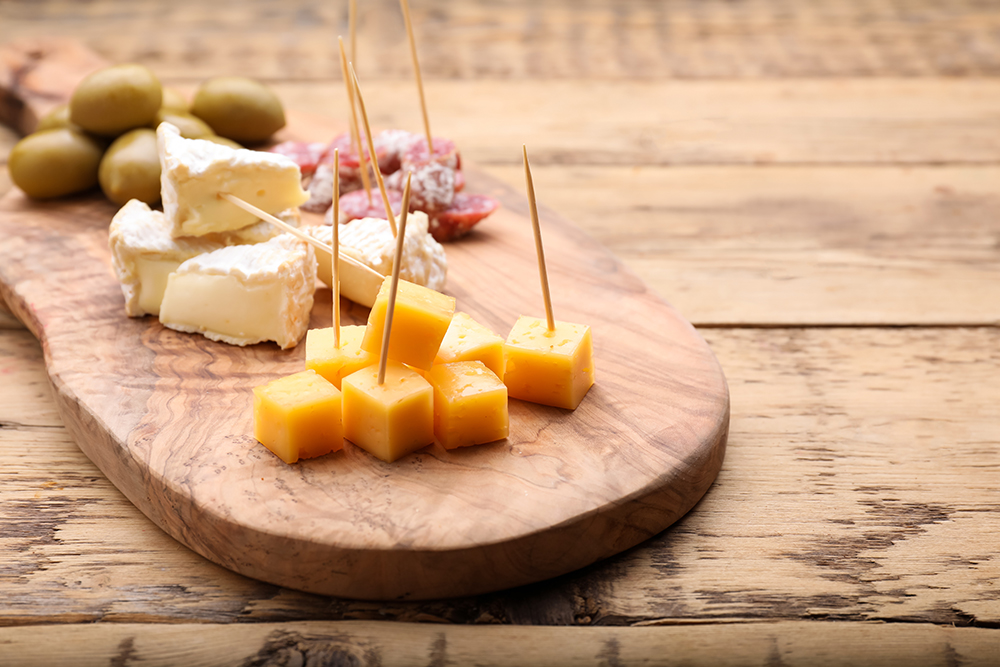
Toothpicks on Charcuterie: Yae or Nae — A Small Detail with Big Impact
When it comes to building a charcuterie board, most of the focus naturally falls on the selection of meats, cheeses, and accompaniments. Yet sometimes, it's the smallest details that quietly shape the entire experience. Toothpicks—often overlooked or added as an afterthought—can influence everything from presentation to practicality. Some hosts swear by them for convenience and cleanliness, while others avoid them in favor of a more rustic, hands-on approach. The choice may seem minor, but it can affect how guests interact with the board, how it looks on the table, and even how flavors are enjoyed. Whether you're planning a casual gathering or a more refined spread, understanding the role of toothpicks can help you decide if they belong on your charcuterie board or not.
Toothpicks on Charcuterie: Yae — Convenience and Cleanliness
Toothpicks can make serving significantly easier, especially when multiple people are sharing the same board. They allow guests to pick up items like olives, cheese cubes, or folded meats without directly touching other pieces. This can feel more hygienic, particularly at larger gatherings or events where guests may not know each other well. Toothpicks also help keep fingers clean, which is especially useful when dealing with oily cured meats or sticky accompaniments like honey or preserves. For hosts who value practicality, toothpicks are a simple solution that keeps things moving smoothly.
Toothpicks on Charcuterie: Yae — Portion Control and Easy Serving
Another advantage is portion control. Toothpicks can be pre-inserted into individual bites, making it clear how items are meant to be enjoyed. This is particularly helpful for more structured boards or when serving bite-sized combinations. Guests can quickly grab a prepared pairing without needing to assemble it themselves. It also reduces the need for additional utensils, keeping the board clean and uncluttered.
Toothpicks on Charcuterie: Nae — Impact on Presentation
On the other hand, toothpicks can interrupt the natural, flowing look of a charcuterie board. One of the defining features of a beautiful board is its organic arrangement—layers of meats, cascading crackers, and artfully placed garnishes. Adding toothpicks can make the board feel more rigid or less visually appealing if not done thoughtfully. For those aiming for a more elevated or rustic aesthetic, leaving the board untouched often creates a more inviting and authentic feel.
Toothpicks on Charcuterie: Nae — A More Hands-On Experience
Part of the charm of charcuterie is the interactive experience it offers. Guests can mix and match flavors, build their own bites, and engage with the food in a relaxed, communal way. Toothpicks can sometimes limit that creativity by pre-defining portions or combinations. Without them, the board encourages exploration and a more tactile connection to the food. This approach often feels more personal and less structured.
Toothpicks on Charcuterie: Finding the Right Balance
Ultimately, the decision comes down to the type of gathering and the experience you want to create. For casual parties, large groups, or outdoor events, toothpicks can be incredibly useful. For more intimate settings or visually focused presentations, skipping them may be the better choice. Some hosts strike a balance by offering toothpicks on the side rather than placing them directly into the food. This allows guests to choose what works best for them.
Toothpicks on Charcuterie: Yae or Nae — The Final Verdict
There's no definitive right or wrong answer when it comes to toothpicks on a charcuterie board. Instead, it's about intention and style. Whether you prioritize convenience, aesthetics, or interaction, the key is to make a choice that aligns with your overall vision. In the end, a great charcuterie board is one that feels both enjoyable and effortless for everyone gathered around it.


 ';
';


