


A Small Tool With a Surprisingly Big Story
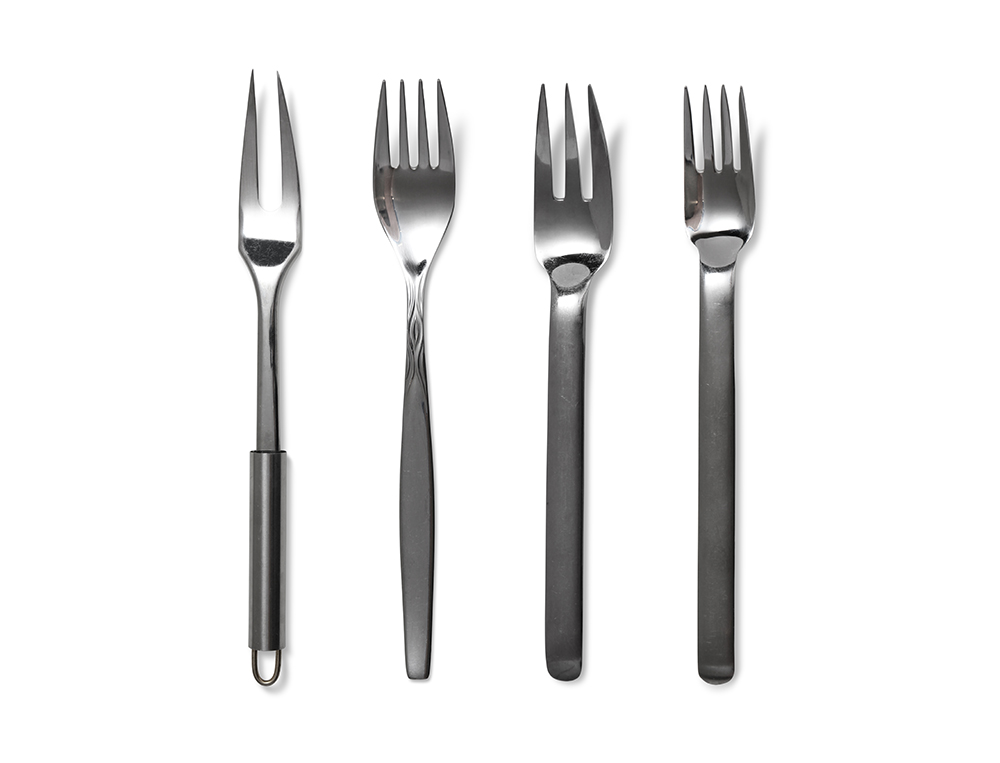
Forks are so familiar that they almost disappear into the background of daily life, yet they are among the most quietly specialized tools on the table. What looks like a simple handle with a few tines is actually the result of centuries of refinement, cultural preference, and practical problem-solving. Different foods behave differently—some flake, some slide, some need to be twirled, others gently pinned—and forks evolved to meet those challenges with subtle changes in size, shape, and spacing. Understanding the types of forks and their uses is less about etiquette for its own sake and more about appreciating how design follows function, making eating easier, cleaner, and often more enjoyable.
The Dinner Fork: The Everyday Workhorse
The dinner fork is the most common fork you’ll encounter and the one most people picture by default. It is medium-sized, sturdy, and versatile enough to handle everything from vegetables to cuts of meat. Its evenly spaced tines are designed to balance strength with precision, allowing you to spear food securely without tearing it apart. When in doubt, this is the fork that does the job quietly and reliably.
The Salad Fork: Smaller and Sharper by Design
A salad fork is typically slightly smaller than a dinner fork and often has a wider or flatter outer tine. This design helps cut through leafy greens and firmer vegetables without the need for a knife. Its size also signals a lighter course, matching the texture and pacing of salads rather than heavier entrées.
The Dessert Fork: Delicate Control for Sweet Finishes
Dessert forks are smaller and lighter, built for precision rather than strength. They are ideal for cakes, tarts, and pastries that need gentle handling. Some dessert forks feature a slightly sharpened edge on one tine, making it easier to cut soft desserts without switching utensils. The goal here is control and finesse, not force.
The Fish Fork: Wide, Flat, and Purpose-Built
Fish forks are designed to handle delicate, flaky flesh without crushing it. They tend to be wider and flatter than standard forks, allowing the eater to separate flakes cleanly while maintaining the texture of the fish. This fork reflects a time when serving fish intact was both common and ceremonious, requiring tools that respected the food’s fragility.
The Oyster and Seafood Forks: Small Tools for Precise Work
Seafood forks, especially oyster forks, are short and narrow with slim tines. Their purpose is highly specific: loosening shellfish from shells and navigating tight spaces without damaging the meat. Their compact size gives control where a larger fork would be clumsy, proving that sometimes less really is more.
The Pastry Fork: A Hybrid of Function
Pastry forks sit somewhere between dessert forks and specialized cutters. Often featuring one flattened or reinforced tine, they allow the user to cut and lift pastry in a single motion. This hybrid design reflects the soft-yet-structured nature of pastries, which benefit from a tool that can both slice and scoop.
The Serving Fork: Built for Strength and Reach
Serving forks are larger, heavier, and designed to transfer food from platter to plate rather than mouth to table. Their longer handles and wider tines provide leverage and stability when lifting meats, vegetables, or pasta. They are less about elegance and more about control and confidence in motion.
Why Fork Variety Still Matters Today
In modern dining, many of these forks are interchangeable, and few meals truly require a full set. Still, each fork represents a thoughtful response to how food behaves and how humans interact with it. Knowing their differences adds a layer of appreciation to the act of eating and reminds us that even the simplest tools are shaped by long histories of trial, taste, and tiny but meaningful design choices.


 ';
';


