


Understanding When Pâté Belongs on the Board
Pâté has a way of quietly elevating a charcuterie board, adding a sense of indulgence that feels both old-world and intentional. Yet it’s also one of the most misunderstood elements of charcuterie, often included automatically or avoided entirely without much thought. Knowing when to include pâté on a charcuterie board is less about rules and more about context—who you’re serving, what the occasion is, and how the rest of the board is composed. Because pâté is rich, smooth, and deeply flavorful, it works best when it has space to shine rather than competing with too many bold elements. When used thoughtfully, it can become the moment guests remember most, offering contrast, luxury, and a pause in the rhythm of grazing.
Include Pâté for Intimate or Slower Gatherings
Pâté is best suited for gatherings where guests have time to sit, talk, and savor. Small dinner parties, wine-and-cheese nights, or relaxed holiday evenings provide the right pace for enjoying pâté properly. These settings encourage spreading, pairing, and tasting rather than quick snacking, which allows pâté’s texture and flavor to be fully appreciated.
Choose Pâté When You Want to Elevate the Board
If the goal is to create a charcuterie board that feels refined or celebratory, pâté is a natural choice. Its presence signals intention and care, instantly raising the perceived elegance of the spread. This makes it ideal for anniversaries, date nights, formal entertaining, or any occasion where the board is meant to feel luxurious rather than casual.
Skip Pâté for High-Energy or Grab-and-Go Events
Not every charcuterie board needs pâté. For large parties, game days, or standing-room gatherings where guests are moving constantly, pâté can feel impractical. It requires utensils, careful portioning, and a bit of focus, which doesn’t always fit fast-paced environments. In these situations, sliced meats and finger-friendly options are often a better fit.
Pair Pâté With the Right Supporting Elements
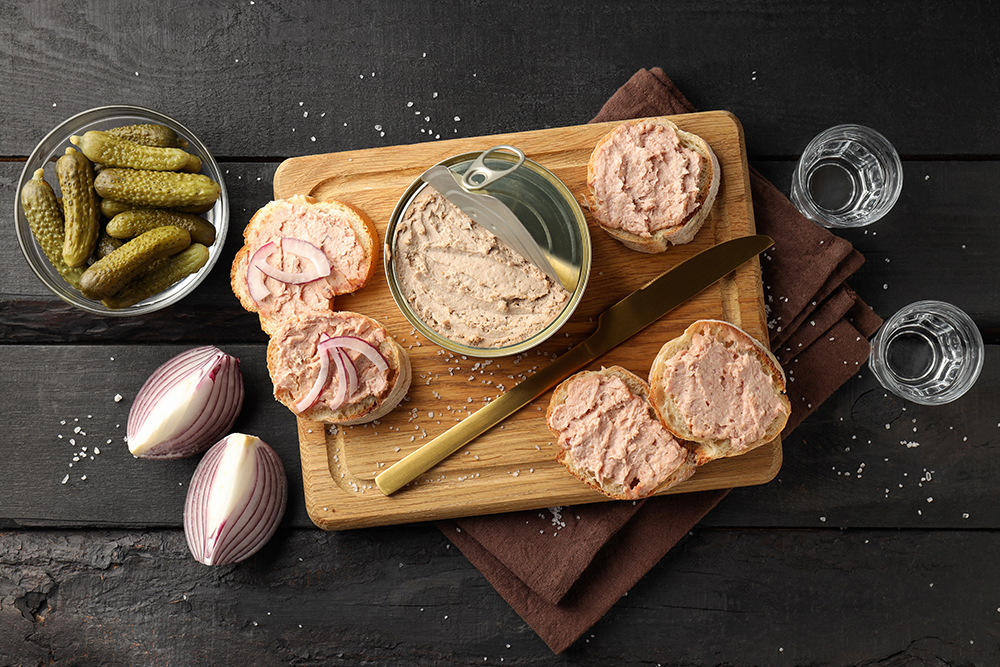
When pâté is included, the rest of the board should support it. Neutral or lightly flavored crackers, toasted bread, or crostini work best, along with simple accompaniments like cornichons, mustard, or fruit preserves. Too many bold cheeses or heavily spiced meats can overpower pâté, so balance is essential.
Consider Your Guests’ Preferences
Pâté is beloved by many, but it’s not universally enjoyed. When deciding whether to include it, think about your audience. If guests are adventurous eaters or familiar with classic charcuterie, pâté is likely to be welcomed. For less adventurous crowds, offering it as an optional element rather than a centerpiece keeps the board approachable.
Use Pâté to Add Textural Contrast
One of the strongest reasons to include pâté on a charcuterie board is texture. Its smooth, spreadable consistency contrasts beautifully with firm cheeses, crunchy crackers, and cured meats. This variation keeps the board interesting and encourages guests to slow down and engage with different combinations.
Seasonal and Thematic Moments for Pâté
Pâté often feels especially at home on fall and winter boards, where richer flavors match the season. It also fits naturally into French-inspired, European-style, or classic charcuterie themes. When the board tells a cohesive story, pâté feels intentional rather than out of place.
Knowing When Pâté Truly Shines
Including pâté on a charcuterie board is about timing, balance, and purpose. When the setting is right and the board is thoughtfully composed, pâté adds depth, elegance, and a sense of occasion that few other elements can match. Used with intention, it transforms a good charcuterie board into a memorable one.


 ';
';


